
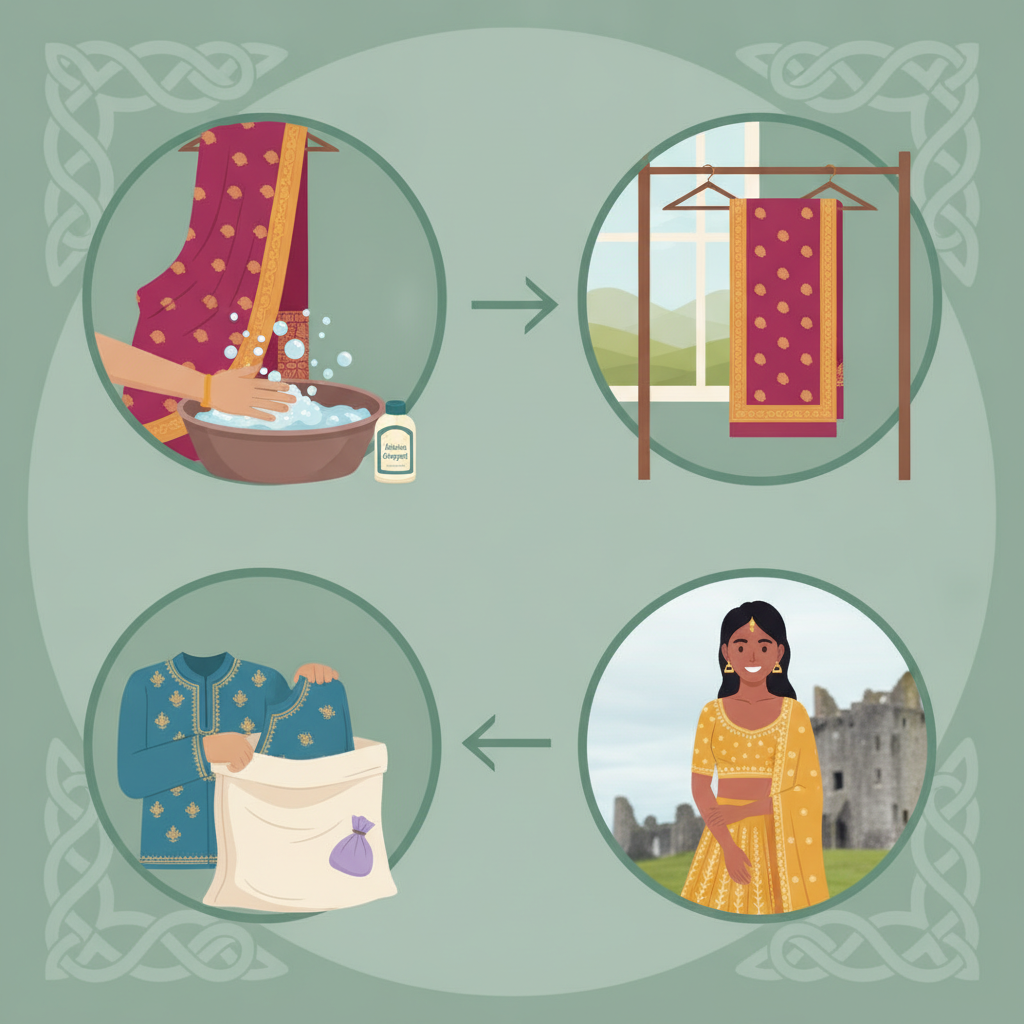
Keep Your Indian Ethnic Wear Vibrant in Ireland: The Ultimate Care Guide
Ireland's vibrant fashion scene is increasingly embracing the rich colours and intricate designs of Indian ethnic wear. From stunning kurta sets perfect for festive occasions to comfortable kurtis for everyday elegance, these garments are more than just clothes – they are a celebration of culture and artistry. At Beethnic.ie, we pride ourselves on bringing authentic, high-quality Indian ethnic wear inspired by Jaipur's heritage directly to your doorstep across Ireland and the EU.
However, owning these beautiful pieces comes with a responsibility: proper care. Unlike everyday Western attire, traditional Indian garments often feature delicate fabrics, intricate embroidery, and rich dyes that require specific attention. Neglecting their care can lead to fading, damage, or loss of their unique charm. This comprehensive guide will walk you through everything you need to know about caring for your Indian ethnic wear, ensuring it remains as vibrant and captivating as the day you first bought it, whether you sourced it from an Indian fashion boutique in Ireland or chose to buy kurtis online in Ireland. We'll cover everything from understanding fabric types to washing, drying, ironing, and storing your cherished items, helping you maintain their beauty for years to come. Dive in to learn the secrets to preserving your cherished ethnic fashion!
Who This Is For
- Anyone who owns or plans to buy Indian ethnic wear in Ireland or the EU.
- Fashion enthusiasts looking to preserve the vibrancy and longevity of their traditional garments.
- Individuals seeking practical, actionable advice on delicate fabric care.
- Customers of Beethnic.ie wanting to ensure their authentic kurta sets, kurtis, and accessories stay beautiful.
Step 1: Understand Your Fabric – The Foundation of Care
The first and most crucial step in caring for your Indian ethnic wear is to identify the fabric. Indian garments come in a dazzling array of materials, each with its unique properties and care requirements. Treating all fabrics the same can lead to irreversible damage. Before you do anything, check the garment's label for specific care instructions. If there isn't one, or if it's unclear, a good understanding of common fabrics will guide you.
Whether you've purchased elegant party wear kurtis in Ireland or comfortable casual kurtis for women in Ireland, knowing what they're made of is key. Common fabrics include cotton, silk, rayon, georgette, chiffon, and various blends. Each has distinct characteristics that dictate how it should be cleaned, dried, and stored.
- Cotton: Breathable, durable, and generally easy to care for. Often used for everyday kurtis and printed suits.
- Care: Can usually be machine washed on a gentle cycle with cold water. Avoid hot water to prevent shrinking or fading.
- Silk: Luxurious, delicate, and known for its sheen. Found in sarees, elaborate kurta sets, and festive attire.
- Care: Typically requires dry cleaning or very gentle hand washing in cold water with a mild, silk-specific detergent.
- Rayon (Viscose): A semi-synthetic fabric that mimics silk, cotton, or wool. It's soft, drapes well, and is often used for kurtis and lighter dresses.
- Care: Hand wash in cold water or dry clean. Rayon can lose strength when wet, so handle with care.
- Georgette & Chiffon: Lightweight, sheer, and often used for overlays, dupattas, and flowy dresses.
- Care: Best to dry clean or hand wash very gently in cold water. These fabrics are prone to snagging.
- Blends: A mix of two or more fibers (e.g., cotton-silk, rayon-polyester). Care depends on the dominant or most delicate fiber.
- Care: Always err on the side of caution and follow the care instructions for the most delicate fabric in the blend.
Tip: If you're unsure about the fabric or care instructions for your cotton kurtis vs. rayon kurtis, or any other ethnic wear, always opt for professional dry cleaning for the first wash, especially for items with heavy embroidery or embellishments. This helps set the dyes and prevents bleeding.
Step 2: Pre-Treatment and First Wash Wisdom
Before you even think about washing your new Indian ethnic wear, especially if it’s a vibrant, deeply coloured piece, some crucial pre-treatment steps can save you from potential disasters like colour bleeding or shrinkage. This is particularly important for traditional Indian dresses in Ireland known for their rich dyes and intricate designs.
Many traditional garments, particularly those with hand-dyed fabrics, can bleed colour during the first few washes. This isn't necessarily a sign of poor quality but rather a characteristic of certain dyeing processes. Taking preventative measures can ensure your pakistani and indian dresses in Ireland maintain their original vibrancy and don't discolour other garments.
- The Salt Water Soak (for colourfastness): For new cotton or rayon items, especially brightly coloured ones, a cold salt water soak can help set the dyes.
- Fill a bucket with cold water.
- Add 1-2 tablespoons of salt (or white vinegar, which also works).
- Submerge the garment for 15-30 minutes.
- Rinse thoroughly with cold water until the water runs clear.
- Patch Test: Before applying any stain remover or washing a new garment, always do a patch test on an inconspicuous area (like an inside seam) to ensure it doesn't damage the fabric or cause colour loss.
- Separate by Colour: Always wash similar colours together, especially for the first few washes. Never wash dark or brightly coloured ethnic wear with whites or light colours.
- Check for Damage: Before washing, inspect the garment for any loose threads, embellishments, or tears. Repair them beforehand to prevent further damage during washing.
- Turn Inside Out: This protects the outer surface, especially if it has prints, embroidery, or delicate embellishments.
Warning: Never use hot water on Indian ethnic wear unless specifically stated on the care label. Hot water can cause severe shrinking, fading, and dye bleeding, especially for cotton and silk blends.
Step 3: Gentle Washing Techniques – Hand or Machine?
The choice between hand washing and machine washing greatly impacts the longevity and appearance of your Indian ethnic wear. While machine washing offers convenience, hand washing is often the safest bet for delicate fabrics, intricate embroidery, and traditional dyes. Consider the garment type – an elaborate party wear kurti in Ireland will require more care than a simple casual kurti for women in Ireland.
For items that represent significant cultural value or a higher investment, such as intricate traditional Indian dresses in Ireland, prioritising gentle cleaning methods is paramount. This ensures their vibrant designs and delicate embellishments, often crafted with precision, remain intact.
- Hand Washing (Recommended for most ethnic wear):
- Fill a clean basin or tub with cold water.
- Add a small amount of mild, pH-neutral detergent designed for delicate fabrics. Avoid harsh chemicals or bleach.
- Submerge the garment and gently swirl it around. Do not scrub, wring, or twist aggressively, especially for silk or rayon.
- Let it soak for no more than 10-15 minutes.
- Rinse thoroughly under cold running water until all soap residue is gone. Gentle squeezing is acceptable.
- Machine Washing (Use with extreme caution and only for durable fabrics like cotton):
- Always place garments in a mesh laundry bag to protect them from snagging or stretching.
- Select the "delicate" or "hand wash" cycle on your machine.
- Use cold water and a mild detergent.
- Opt for a low spin speed to minimise agitation and potential damage.
- Avoid overloading the machine, as this can lead to inadequate cleaning and increased friction.
- Special Embellishments: Garments with heavy embroidery, sequins, beads, or zari work should almost always be dry cleaned professionally. If hand washing, turn them inside out and avoid rubbing embellished areas.
Tip: When hand washing, consider using a large, clean bucket or even your bathtub to give the garment enough space to move freely without excessive creasing or twisting.
Step 4: The Art of Drying – Preserving Shape and Colour
How you dry your Indian ethnic wear is just as important as how you wash it. Incorrect drying methods can lead to stretching, shrinking, fading, or even permanent damage to delicate fabrics and embellishments. The Irish climate, often damp, requires mindful drying practices to prevent mildew and ensure proper aeration.
For your ethnic wear for women in Ireland, especially those pieces that are an investment in style and cultural expression, careful drying prolongs their life and preserves their unique beauty. This attention to detail applies to everything from your simple kurtis to more elaborate pakistani and indian dresses in Ireland.
- Avoid Direct Sunlight: Never dry Indian ethnic wear directly in strong sunlight. UV rays can cause vibrant colours to fade quickly and even weaken fabric fibres over time. Instead, choose a shady, well-ventilated area indoors or outdoors.
- Gentle Squeeze, No Wringing: After washing, gently squeeze out excess water. Do NOT wring or twist the garment, especially silks, rayons, or items with embroidery, as this can distort the fabric and damage embellishments.
- Flat Drying (for heavy or delicate items): For heavy items like richly embroidered kurta sets, or delicate fabrics like silk and chiffon, lay them flat on a clean, dry towel. You can roll the garment in the towel to absorb more water before laying it flat on another dry surface or a mesh drying rack. This prevents stretching and maintains the garment's original shape.
- Hanging (for lighter, durable items): Lighter cotton kurtis can be hung on a padded hanger or over a clothesline. Ensure the hanger is broad enough to support the garment without creating shoulder bumps. If hanging on a line, use soft pegs that won't leave marks and hang from an area that won't distort the shape (e.g., along a side seam or bottom hem if light enough).
- Avoid Tumble Dryers: Tumble dryers are generally a big no-no for most Indian ethnic wear. The high heat and tumbling action can cause significant shrinkage, damage delicate embroidery, and severely fade colours. If absolutely necessary for a durable cotton item, use the "air fluff" or "no heat" setting and remove while still slightly damp.
Warning: Ensure garments are completely dry before storing them. Even slight dampness can lead to mildew, mould, and an unpleasant odour, especially in Ireland's often humid environment.
Step 5: Ironing with Precision – Smooth and Safe
Ironing is often the final touch that brings your Indian ethnic wear to life, smoothing out creases and restoring a crisp finish. However, just like washing and drying, it requires precision and knowledge of fabric types to avoid burning, scorching, or damaging delicate materials and embellishments. Proper ironing can truly elevate the look of your affordable ethnic wear in Ireland, making it look pristine for any occasion.
Whether you're preparing a party wear kurti in Ireland for a special event or simply refreshing a casual kurti for women in Ireland, the right ironing technique is essential. Incorrect heat settings or direct contact with delicate details can lead to permanent damage, diminishing the garment's appeal.
- Check Fabric Type & Heat Settings: Match your iron's temperature setting to the fabric type. Most irons have settings for cotton, silk, rayon, etc. Always start with the lowest recommended temperature and increase if needed.
- Cotton: Can usually handle medium-high heat.
- Silk & Rayon: Require low heat.
- Synthetics (Georgette, Chiffon): Very low heat, or better yet, steaming.
- Iron Inside Out: Always iron Indian ethnic wear inside out. This protects the outer surface, especially if there are prints, dyes, embroidery, or embellishments, from becoming shiny, scorched, or damaged by direct heat.
- Use a Pressing Cloth: For delicate fabrics, silks, or items with intricate work, place a thin, clean cotton cloth (like a handkerchief or pillowcase) between the iron and the garment. This provides an extra layer of protection against direct heat.
- Avoid Embellishments: Never iron directly over embroidery, sequins, beads, or zari work. The heat can melt synthetic threads, discolour metallic work, or cause embellishments to detach. Iron carefully around these areas, or if necessary, iron the garment inside out.
- Steaming (Best for Delicates and Embellishments): A garment steamer is a fantastic alternative to an iron, especially for silk, chiffon, georgette, or heavily embellished pieces. Steaming gently removes wrinkles without direct heat contact, preserving the fabric and details. Hold the steamer a few inches away from the fabric and allow the steam to relax the fibres.
- Damp Ironing: For stubborn creases on cotton, lightly mist the garment with water before ironing, or use your iron's steam function.
Warning: Test the iron's temperature on an inconspicuous area first, especially if you're unsure about the fabric's composition or if the iron's settings are unreliable.
Step 6: Smart Storage Solutions – Preserving for the Long Term
Proper storage is crucial for maintaining the condition of your Indian ethnic wear, preventing damage from dust, insects, humidity, and creasing. Investing in good storage practices ensures your cherished pakistani and indian dresses in Ireland remain beautiful and ready to wear for years, preserving the value of your affordable ethnic wear in Ireland.
Considering the unique climate of Ireland, which can be prone to dampness, smart storage techniques are even more vital. This includes not just your clothing, but also delicate accessories like oxidised earrings and jhumkas and handmade bags, which can also be affected by improper storage.
- Ensure Garments Are Clean and Dry: Never store ethnic wear that is dirty or damp. Food stains can attract pests, and moisture leads to mould and mildew. Ensure everything is thoroughly clean and completely dry before putting it away.
- Breathable Storage Bags: Store valuable or delicate items in breathable cotton or muslin garment bags. Avoid plastic dry cleaning bags for long-term storage, as they trap moisture and can cause fabrics to discolour or develop an odour.
- Fold, Don't Hang (for heavy items): Heavy embroidered suits, sarees, or items with significant embellishments should be folded and stored flat rather than hung. Hanging heavy items can cause stretching, especially at the shoulders, and put strain on delicate seams. Fold them carefully, placing acid-free tissue paper between folds to prevent creasing and friction.
- Padded Hangers (for lighter items): Lighter kurtis and dresses can be hung on padded or wooden hangers to maintain their shape. Avoid wire hangers, which can cause rust stains and distortion.
- Moth and Pest Protection: Use natural repellents like cedar balls, dried neem leaves, or lavender sachets in your wardrobe or storage boxes. Avoid mothballs, which can leave a chemical odour that is difficult to remove.
- Cool, Dry, Dark Place: Store your ethnic wear in a cool, dry, and dark environment. Excessive heat can weaken fibres, humidity can lead to mildew, and direct light (even indirect) can cause colours to fade over time.
- Rotate and Re-fold: For items stored folded, periodically take them out, air them, and re-fold them along new lines. This prevents permanent creases and ensures even airflow.
- Accessories Care: Remember to store your oxidised earrings, handmade bags, and other accessories properly. Keep earrings in individual pouches to prevent tarnishing and scratching. Store handbags stuffed with tissue paper to maintain their shape, and keep them in dust bags.
Tip: If you have limited storage space, vacuum-seal bags can be an option for less delicate, bulky items like cotton suits, but avoid them for silk or heavily embellished garments that need to breathe.
Step 7: Stain Removal – Act Fast, Act Gently
Spills and stains are an inevitable part of life, but with Indian ethnic wear, swift and gentle action is key to preventing permanent damage. Due to the diverse fabrics and dyes used, a 'one-size-fits-all' approach to stain removal can be disastrous. Always remember that prevention is better than cure – be mindful when wearing your beautiful traditional Indian dresses in Ireland to avoid common mishaps.
Whether it's a casual coffee spill on a casual kurti for women in Ireland or a more challenging mark on a party wear kurti in Ireland, knowing how to react immediately and correctly can save your garment. This is where the vibrancy and longevity of your Indian fashion boutique Ireland purchases truly depend on your care.
- Act Immediately: The faster you address a stain, the higher the chance of successful removal. Fresh stains are always easier to treat than dried-in ones.
- Blot, Don't Rub: For liquid spills, gently blot the area with a clean, absorbent cloth or tissue. Rubbing can push the stain deeper into the fabric fibres and spread it further.
- Identify the Stain: Knowing what caused the stain (oil, coffee, ink, etc.) helps determine the best removal method.
- Test in an Inconspicuous Area: Before applying any stain remover directly to the stained area, always test it on a hidden part of the garment (like an inner seam) to ensure it doesn't cause discolouration or damage to the fabric or dye.
- General Stain Removal Techniques:
- For most fresh, non-oil stains (coffee, tea, juice): Rinse the stained area immediately with cold water from the back of the fabric. This helps push the stain out. Then, gently dab with a mild detergent solution.
- For oil-based stains: Sprinkle a small amount of cornstarch, talcum powder, or baking soda on the stain to absorb the oil. Let it sit for a few minutes, then gently brush it off. Follow with a mild detergent solution.
- For delicate fabrics (silk, rayon): For any significant stain, especially on these materials or heavily embellished garments, professional dry cleaning is often the safest and most effective option. Inform your dry cleaner about the nature of the stain.
- Rinse Thoroughly: After treating a stain, ensure you thoroughly rinse out any cleaning agents. Leftover residue can attract dirt or discolour the fabric over time.
- Avoid Harsh Chemicals: Never use bleach or strong chemical stain removers on Indian ethnic wear unless explicitly stated on the care label and you've done a patch test. These can permanently damage delicate fabrics and vibrant dyes.
Warning: If you're unsure or the stain is particularly stubborn or large, do not attempt to remove it yourself. Take the garment to a professional dry cleaner who specialises in delicate or ethnic wear as soon as possible. Improper home treatments can set the stain permanently.
Common Mistakes to Avoid When Caring for Indian Ethnic Wear
Even with the best intentions, it's easy to make mistakes that can diminish the life and beauty of your Indian ethnic wear. Avoiding these common pitfalls is just as important as following proper care steps, ensuring your garments, whether they're pakistani and indian dresses in Ireland or casual kurtis, remain vibrant.
- Ignoring Care Labels: The most frequent mistake. Always read and follow the specific instructions provided on the garment's care label. It's there for a reason!
- Washing All Garments Together: Mixing colours, delicate fabrics with robust ones, or embellished items with plain ones can lead to colour bleeding, snagging, and damage. Always sort your laundry.
- Using Harsh Detergents: Regular detergents can be too strong for delicate fabrics and dyes. Always opt for mild, pH-neutral detergents, especially for silk, rayon, or heavily embellished items.
- Excessive Wringing and Twisting: This can distort the shape of the garment, especially for knit or delicate fabrics, and damage intricate embroidery.
- Drying in Direct Sunlight: As mentioned, direct sun is a major culprit for fading vibrant colours and weakening fabric fibres.
- Using a Tumble Dryer: The heat and agitation of tumble dryers are usually too harsh for traditional Indian garments, leading to shrinkage, fading, and damage to embellishments.
- Ironing Directly Over Embellishments: Direct heat can melt, discolour, or detach sequins, beads, and zari work. Always iron inside out or use a pressing cloth.
- Storing Damp Clothes: This is a recipe for mildew, mould, and unpleasant odours, which can be very difficult to remove.
- Overloading Your Washing Machine: This prevents proper cleaning and can put undue stress on the garments, leading to tears or damage.
- Ignoring Small Damages: A loose thread or a tiny tear can quickly escalate during washing. Always inspect and repair minor damages before cleaning.
FAQ
How do I keep my Indian ethnic wear from fading?
To prevent fading, always wash your Indian ethnic wear in cold water, turn garments inside out before washing and drying, and avoid direct sunlight when drying. Using a mild, colour-safe detergent and performing a salt water soak for new, vibrant pieces can also help set dyes. For items like kurta sets or party wear kurtis in Ireland, professional dry cleaning is often the safest option for colour retention.
What's the best way to store heavily embroidered ethnic wear?
Heavily embroidered traditional Indian dresses in Ireland should always be folded and stored flat, never hung, to prevent stretching and damage to the embroidery. Wrap them in breathable cotton or muslin cloth, or use acid-free tissue paper between folds. Store them in a cool, dry, dark place with natural moth repellents like cedar balls, and periodically re-fold them along different lines.
Can I machine wash all my kurtis and salwar suits?
No, not all kurtis and salwar suits are suitable for machine washing. While durable cotton casual kurtis for women in Ireland can often be machine washed on a delicate cycle in a mesh bag with cold water, delicate fabrics like silk, rayon, or items with intricate embellishments should be hand washed or dry cleaned. Always check the care label first to confirm.
How do I care for my oxidised earrings and handmade bags?
For oxidised earrings, store them in individual airtight pouches or boxes to prevent tarnishing and scratches. Clean them gently with a soft, dry cloth; avoid water or harsh chemicals. For handmade bags, gently wipe with a damp cloth if needed, and store them stuffed with tissue paper in a dust bag to maintain their shape and protect them from dust and moisture. Avoid direct sunlight and extreme humidity for both.
Where can I find reliable professional cleaning services for Indian ethnic wear in Ireland?
Many local dry cleaners in Ireland offer services for delicate garments. When seeking a cleaner for your Indian ethnic wear, especially elaborate pieces, inquire if they have experience with traditional Indian fabrics and embellishments. It's always best to communicate the fabric type and any specific concerns you have. For more general care tips, you might find our specific guide on cleaning Beethnic.ie items helpful.
Next Steps
Now that you're equipped with the knowledge to keep your beautiful Indian ethnic wear pristine and vibrant, it's time to explore even more stunning pieces for your wardrobe. Discover our exquisite collection of authentic kurtis, kurta sets, and handmade bags, all designed to celebrate culture and elegance. Shop now at Beethnic.ie and add timeless beauty to your collection.