
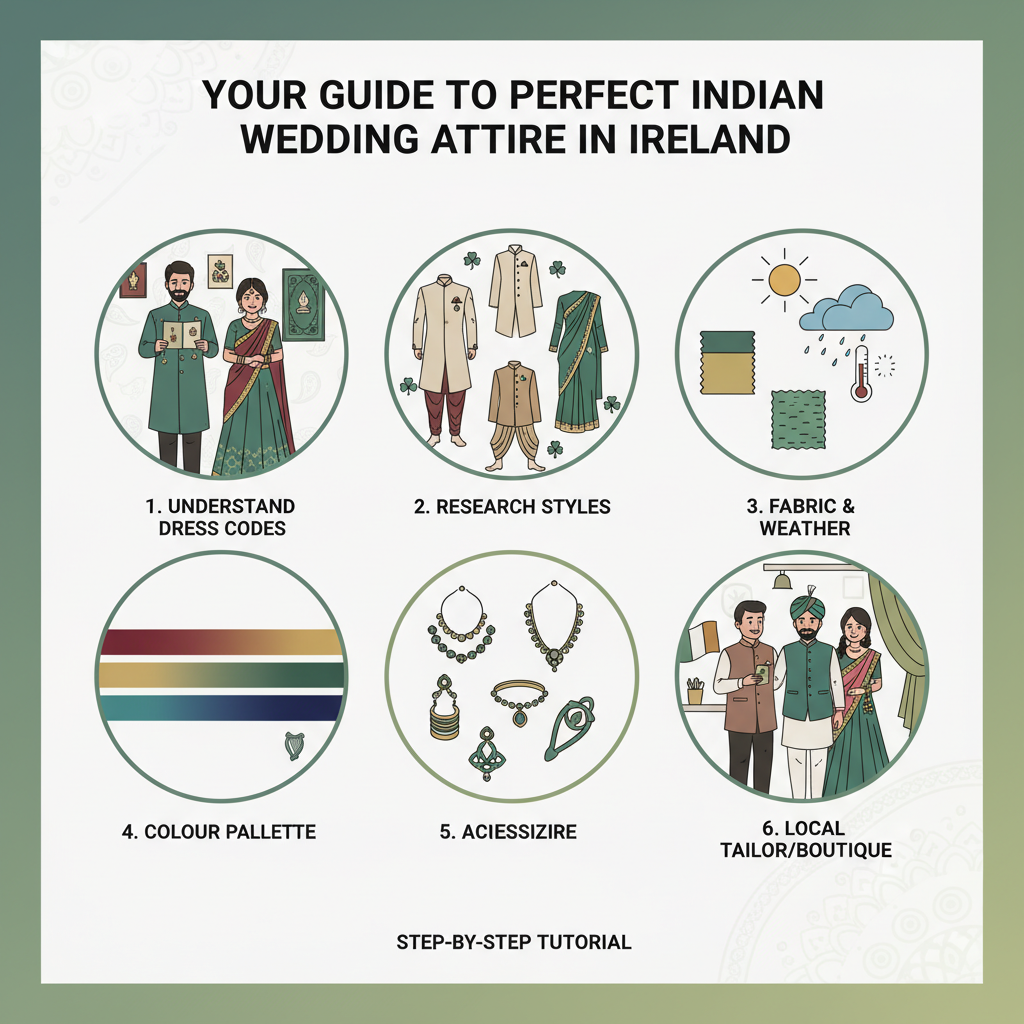
Your Guide to Perfect Indian Wedding Attire in Ireland
Attending an Indian wedding in Ireland is a truly vibrant and joyous experience, blending rich cultural traditions with the charm of the Emerald Isle. Whether you're a seasoned guest or this is your first time, choosing the perfect Indian outfit can feel both exciting and a little daunting. The good news? You've come to the right place!
This comprehensive guide will walk you through everything you need to know about selecting elegant, culturally appropriate, and comfortable Indian ethnic wear for a wedding celebration in Ireland. We'll delve into understanding dress codes, exploring diverse outfit options from kurtis to lavish kurta sets, mastering accessory choices like stunning jhumkas, and even navigating the practicalities of fabrics and climate. Our aim is to empower you to embrace the celebratory spirit with confidence and style, ensuring you find beautiful pieces that resonate with your personal taste and honour the occasion.
Prepare to explore the world of authentic Indian fashion right here in Ireland. From understanding the nuances of different wedding events to discovering where to find exquisite ethnic wear, we'll make sure you're perfectly prepared to celebrate in true Indian style. Let's embark on this sartorial journey and find your ideal ensemble for that unforgettable Indian wedding!
Who This Is For
- Anyone attending an Indian wedding in Ireland or across the EU.
- Individuals new to Indian ethnic fashion seeking guidance.
- Guests wanting to choose culturally appropriate and stylish attire.
- Those looking for quality Indian outfits and accessories from an online ethnic wear store Ireland.
Step 1: Understand the Wedding Type and Dress Code
Before you even begin browsing for outfits, the very first step is to understand the specific nature of the Indian wedding you're attending. Indian weddings are not monolithic; they can range from grand, multi-day affairs to more intimate, single-day ceremonies, and each type might call for a slightly different approach to your attire. The specific religious or regional background of the couple can also subtly influence expectations.
Begin by checking the invitation for any explicit dress code instructions. While many Indian weddings in Ireland might suggest "Indian traditional," "ethnic wear," or simply "festive attire," some might offer more specific guidance, especially for fusion weddings. If no dress code is specified, consider the formality of the venue (e.g., a grand hotel ballroom versus a community hall) and the time of day for the main ceremony. A daytime ceremony might lean towards lighter fabrics and colours, while an evening reception often calls for more embellished and formal wear.
- Review the Invitation: Look for any direct mentions of dress code or preferred attire.
- Consider the Couple's Background: Research general customs for Hindu, Sikh, Muslim, or Christian Indian weddings, as traditions and outfit formality can vary.
- Assess the Venue and Time: A lavish evening reception in a hotel will typically require more formal attire than a daytime religious ceremony in a temple.
- Consult Other Guests: If you're unsure, discreetly ask the couple's close friends or family members what they plan to wear.
Tip: Indian weddings often involve multiple events over several days (e.g., Mehendi, Sangeet, Wedding Ceremony, Reception). Don't assume one outfit will work for all. Plan different ensembles for each distinct event if you're attending more than just the main ceremony. For pre-wedding events, casual kurtis for women Ireland are a fantastic, comfortable choice.
Step 2: Embrace Colours and Fabrics for the Irish Climate
Indian fashion is synonymous with vibrant colours and rich textures, but when attending a wedding in Ireland, it's essential to balance tradition with practicality, especially regarding the weather. Ireland's climate can be unpredictable, even in summer, so choosing the right fabrics is crucial for comfort throughout the celebration. Additionally, while Indian weddings are a kaleidoscope of hues, there are traditional considerations around certain colours.
For colours, embrace the richness! Golds, reds, deep blues, emerald greens, fuchsia, oranges, and pastels are all popular choices for Indian weddings. Bold, jewel tones are particularly fitting for evening events. Historically, white is often associated with funerals in some Indian cultures and black is generally avoided as it can be seen as inauspicious for celebrations, though this is becoming more relaxed in modern contexts. It's best to err on the side of caution and opt for bright, festive colours. Silks, brocades, and elaborate embroideries are traditional choices, but don't forget lighter, breathable options.
When it comes to fabrics, think layers and versatility for the Irish weather. Even if the main event is indoors, you might be moving between venues or spending time outside for photos.
- Opt for Festive Hues: Choose bright, jewel tones like ruby red, sapphire blue, emerald green, fuchsia, mustard yellow, and gold. Pastels are also elegant for daytime events.
- Avoid Traditionally Inauspicious Colours: While modern weddings are more relaxed, consider avoiding pure white and black for the main ceremonies, particularly if you are not close family.
- Select Weather-Appropriate Fabrics:
- For warmer months (or indoor events): Lightweight cotton kurtis, georgette, crepe, and chiffon are breathable and comfortable.
- For cooler months: Brocade, raw silk, velvet, or heavier silk blends provide warmth and elegance. Silk kurtis for women are an excellent choice for a luxurious feel without being overly heavy.
- Consider Layers: A beautiful pashmina or an elegant shawl can add a touch of sophistication and provide warmth if the temperature drops, especially handy in Ireland.
- Prioritise Comfort: You'll likely be sitting, standing, and possibly dancing for long periods. Choose fabrics that move with you and don't restrict your movement.
Warning: Be mindful of fabrics that wrinkle easily, especially if you're travelling to the wedding. Crepe, georgette, and certain silk blends tend to be more forgiving than crisp cottons or linens when packed.
Step 3: Discover Your Perfect Indian Outfit Style
Now for the exciting part – choosing your outfit! Indian fashion offers a breathtaking array of styles suitable for weddings, each with its unique charm and formality. The key is to select a style that not only looks stunning but also feels comfortable and culturally appropriate for the specific event you're attending. As an online ethnic wear store Ireland, Beethnic.ie offers many of these versatile options.
For Women:
- Saree: The quintessential Indian garment, a saree is a long piece of fabric draped elegantly over a blouse and petticoat. It's incredibly traditional and versatile.
- Best for: Main wedding ceremony, reception, formal events.
- Styling Tip: Opt for lightweight silks, georgettes, or chiffons with intricate borders or embroidery. Pair with a matching or contrasting blouse.
- Consideration: Draping a saree can be challenging for beginners. If you're new to it, practice beforehand or consider pre-stitched sarees.
- Lehenga Choli: A popular choice for wedding guests, a lehenga choli consists of a long, embroidered skirt (lehenga), a fitted blouse (choli), and a dupatta (scarf). It offers grandeur and ease of movement.
- Best for: Sangeet, Reception, Main wedding ceremony (especially for close family or bridal party).
- Styling Tip: Look for rich fabrics like silk, velvet, or brocade with detailed embroidery. The dupatta can be draped over one shoulder or like a saree pallu.
- Consideration: Lehengas can be heavy. Ensure it's comfortable for extended wear.
- Anarkali Suit: This elegant ensemble features a long, frock-style top, often flared from the waist, paired with slim-fit trousers (churidar) and a dupatta. It's regal, graceful, and comfortable.
- Best for: Reception, Sangeet, Engagement ceremony, semi-formal wedding events.
- Styling Tip: Choose an Anarkali with intricate embroidery or embellishments, especially around the neckline and hem. The length can vary from knee-length to floor-sweeping.
- Consideration: Anarkalis can vary in flare; pick one that flatters your body shape and allows for easy movement.
- Kurta Set: A kurta set typically includes a tunic-style top (kurta), matching bottoms (palazzo pants, leggings, or churidar), and often a dupatta. They range from simple and elegant to heavily embellished.
- Best for: All wedding events, depending on embellishment. More casual ones for Mehendi, dressier ones for reception. Excellent for women's festive wear Ireland.
- Styling Tip: For weddings, choose kurtis made from silk kurtis for women or cotton with intricate embroidery. Pair with elegant jewellery.
- Consideration: This is often the most comfortable and versatile option. Look for embroidered kurtis Ireland for a festive touch.
- Gown/Indo-Western Dress: For those who prefer a contemporary fusion look, an Indo-Western gown combines Western silhouettes with Indian aesthetics (e.g., embroidery, fabrics).
- Best for: Reception, modern wedding parties.
- Styling Tip: Select a gown with Indian-inspired embellishments or prints. Pair with statement Indian jewellery.
- Consideration: Ensure it still feels appropriate for the formality and cultural context of the wedding.
Tip: If you're attending a less formal pre-wedding event or prefer a more understated look, a beautifully designed kurti with elegant bottoms and accessories can be perfectly chic and comfortable. Beethnic.ie has a wide selection of kurtis that can be dressed up or down.
Step 4: Accessorise with Flair and Finesse
No Indian outfit is complete without the right accessories. Jewellery, footwear, and handbags play a crucial role in elevating your look and adding that authentic touch of sparkle and elegance. This is where you can truly express your personal style while complementing your chosen attire. Choosing the right pieces will complete your how to style kurtis for women look perfectly.
Jewellery:
Indian weddings are a perfect occasion to adorn yourself with beautiful jewellery. Consider the neckline of your outfit and the overall embellishments when selecting pieces.
- Earrings: Statement earrings are a must. Explore options like traditional jhumka earrings, chandbalis, or polki earrings.
- If your outfit has a heavily embroidered neckline, opt for heavier earrings and skip a necklace.
- For simple necklines, a delicate necklace and matching earrings can be stunning.
- Necklaces: Choose from chokers, long pearl strands, or intricate kundan sets depending on your outfit's neckline and formality.
- Bangles/Bracelets: A stack of bangles or a beautiful bracelet adds movement and traditional charm.
- Rings: Cocktail rings or traditional Indian rings can complete the look.
Footwear:
Comfort is paramount, especially since you might be on your feet for hours, dancing, and mingling.
- Heels: Wedges or block heels offer more stability and comfort than stilettos on varied surfaces.
- Flats: Embellished juttis, mojaris, or elegant sandals are fantastic traditional and comfortable alternatives.
- Colour Coordination: Choose footwear that matches or complements your outfit's colours or metallic tones.
Handbags:
You'll need a small bag for essentials like your phone, lipstick, and tissues.
- Clutch/Potli Bag: An embroidered clutch or a traditional potli bag adds a touch of ethnic elegance.
- Beethnic.ie offers a stunning selection of handcrafted handbags perfect for such occasions.
- Crossbody: If you prefer to keep your hands free, a small, elegant crossbody bag can work, especially for less formal events.
Warning: Avoid bringing large, everyday handbags. A small, elegant clutch or potli bag is much more appropriate and blends seamlessly with ethnic attire. Also, remember to test out new shoes before the event to break them in!
Step 5: Consider Practicalities and Comfort for an Irish Wedding
While looking stunning is important, feeling comfortable and confident in your chosen Indian outfit for a wedding in Ireland is equally crucial. Practical considerations, especially given Ireland's climate and the typical duration of Indian wedding events, should weigh heavily in your decision-making. Thinking ahead will ensure you can fully enjoy the festivities without any wardrobe worries.
Weather Readiness:
Ireland's weather can be notoriously changeable. Even summer days can turn chilly or wet, so layering and strategic fabric choices are key.
- Outerwear: A chic shawl, pashmina, or a simple, elegant blazer/cardigan can be draped over your outfit for warmth without detracting from the look. Choose one in a complementary colour or a neutral metallic.
- Footwear: While embellished sandals are beautiful, consider if you'll be walking outdoors. Closed-toe embellished flats or even elegant low heels might be more practical if there's a chance of rain or cooler temperatures.
Movement and Duration:
Indian wedding ceremonies and receptions can be long, often involving sitting on the floor for rituals, standing for photos, and dancing the night away. Your outfit should allow for all of this.
- Ease of Movement: Ensure your lehenga skirt isn't too tight or heavy to dance in. Your saree should be draped securely. A kurta set or an Anarkali will generally offer more freedom of movement.
- Breathability: Choose fabrics that won't make you overheat indoors, but also provide some insulation if you step outside.
- Undergarments: Plan your undergarments carefully. A well-fitting bra is essential, and shapewear can provide a smooth silhouette under fitted outfits.
Hair and Makeup:
Your hair and makeup should complement your outfit and withstand the long day.
- Long-lasting Makeup: Use primer, setting spray, and waterproof products.
- Hairstyle: Updos or neatly pinned styles are great for keeping hair out of the way, especially with dupattas or heavy jewellery.
Tip: Always try on your entire outfit, including shoes and jewellery, a few days before the wedding. Walk around, sit down, and even do a few dance moves to ensure everything feels comfortable and secure.
Step 6: Where to Find Your Perfect Indian Outfit in Ireland
Finding authentic and high-quality Indian ethnic wear in Ireland is easier than ever, thanks to dedicated boutiques and online stores. To ensure you get the best selection, quality, and fit, knowing where to look is key. For those seeking Indian fashion boutique Ireland options, exploring both local and online resources will yield the best results.
Online Ethnic Wear Stores:
The most convenient and often most diverse option for customers in Ireland and across the 27 EU countries is shopping online. An online ethnic wear store Ireland provides access to a much broader range of styles, sizes, and price points than physical stores might offer.
- Beethnic.ie: As a premier online destination, Beethnic.ie specialises in authentic Indian ethnic fashion. You'll find a curated selection of kurta sets, elegant kurtis, stunning jhumkas, and handcrafted handbags, all inspired by India's rich heritage and shipped fast from Ireland. This is your go-to for festive Indian clothing Ireland.
- Benefits of Online Shopping:
- Wider Selection: Access to hundreds of designs, fabrics, and sizes, including specific items like silk kurtis for women and embroidered kurtis Ireland.
- Convenience: Shop from the comfort of your home, at any time.
- Detailed Descriptions: Product pages often include fabric details, measurements, and styling suggestions.
- Customer Reviews: Read reviews like Aisha Khan's "★★★★★" for insight into quality and fit.
Consider Customisation or Tailoring:
Sometimes, even with ready-to-wear options, a little customisation can make a big difference.
- Local Tailors: If you find an outfit you love online but it needs minor adjustments (e.g., length of trousers, fitting of a blouse), a local tailor in Ireland can easily help.
- Pre-Stitched Sarees/Lehengas: If you're buying a saree or lehenga online, check if it comes pre-stitched or with an unstitched blouse piece that you'll need tailored.
Tip: Always check the sizing charts provided by online stores carefully. Indian sizes can sometimes differ from Western sizing, so take your measurements and compare them to the chart to ensure the best fit. Don't hesitate to contact customer service for guidance if needed.
Common Mistakes to Avoid
Navigating the world of Indian wedding attire can be a learning curve. To ensure your experience is smooth and enjoyable, here are some common pitfalls to steer clear of:
- Ignoring the Dress Code (or Lack Thereof): Assuming all Indian weddings are the same can lead to being under or overdressed. Always try to gauge the formality.
- Wearing Inappropriate Colours: While modern weddings are flexible, pure white (often associated with mourning) and black (sometimes considered inauspicious) are generally avoided for the main ceremonies. When in doubt, opt for vibrant, celebratory colours.
- Forgetting Comfort: An elaborate outfit that restricts movement or is too heavy can detract from your enjoyment of the event. Prioritise fabrics and styles that allow you to sit, stand, and dance comfortably for hours.
- Last-Minute Shopping: Don't leave your outfit selection to the last minute, especially if you need alterations or are ordering online from an online ethnic wear store Ireland. Factor in shipping times and tailoring needs.
- Over-Accessorising: While Indian fashion embraces jewellery, there's a fine line between elegant and excessive. If your outfit is heavily embellished, opt for simpler jewellery. If your outfit is plain, statement pieces can shine.
- Ignoring the Weather: Ireland's climate demands preparedness. Don't forget a stylish shawl or jacket for warmth, even if the wedding is indoors, or suitable footwear for potentially damp conditions.
- Wearing Uncomfortable Footwear: High heels are beautiful, but if you're not used to them for long periods, consider elegant flats, wedges, or block heels to enjoy the event without pain.
- Forgetting a Clutch/Potli: You'll need somewhere to keep your phone, lipstick, and essentials. A small, elegant bag is crucial.
FAQ
Can I wear an Indian outfit if I'm not Indian?
Absolutely! Most Indian families are delighted when non-Indian guests embrace their culture by wearing traditional attire. It's seen as a sign of respect and appreciation. Just ensure your chosen outfit is culturally appropriate and comfortable. When selecting your outfit, consider options like elegant kurta sets or even a chic Anarkali suit, which are often easier to manage than a saree for first-timers. Beethnic.ie offers a fantastic range of ethnic wear that's perfect for anyone looking to celebrate in style.
What colours should I avoid for an Indian wedding?
Traditionally, pure white is associated with mourning in some Indian cultures, and black can be considered inauspicious for joyous celebrations. While modern weddings are becoming more flexible, especially in fusion settings, it's generally safest to opt for vibrant, celebratory colours like reds, pinks, blues, greens, golds, and pastels. If you're unsure, consulting with the couple or other guests is a good idea. You'll find a wide spectrum of women's festive wear Ireland in beautiful hues at Beethnic.ie.
Do I need to cover my head at an Indian wedding?
It depends on the specific ceremony and religious customs. For certain religious rituals, especially in a temple or during specific parts of the main ceremony (like a Sikh Anand Karaj), women are often expected to cover their heads as a sign of respect. For other events like a Sangeet or Reception, it's usually not required. Always observe what others are doing, or discreetly ask a close family member of the couple if you're unsure. A beautiful dupatta that comes with a kurta set or lehenga can easily serve this purpose.
What kind of footwear is best for an Indian wedding in Ireland?
Comfort and practicality are key! While high heels can look stunning, they might become uncomfortable during long ceremonies, dancing, or if you're walking on uneven surfaces. Consider embellished flats like juttis or mojaris, elegant sandals, or comfortable wedges/block heels. Given Ireland's unpredictable weather, also think about if you'll be outside at all. You want shoes that complement your outfit but allow you to enjoy the entire celebration without discomfort.
How far in advance should I buy my outfit from an online ethnic wear store Ireland?
It's always best to plan well in advance, ideally 1-2 months before the wedding. This gives you ample time to browse options from an online ethnic wear store Ireland like Beethnic.ie, allow for shipping (Beethnic.ie offers fast shipping from Ireland), and make any necessary alterations. If you're ordering a specific item like embroidered kurtis Ireland, having that buffer ensures you get exactly what you want without stress. Last-minute rushes can lead to compromises on style, fit, or quality.
Next Steps
Ready to find your breathtaking Indian wedding outfit? Explore the vibrant collections at Beethnic.ie, your premier destination for authentic Indian ethnic fashion in Ireland, and discover the perfect ethnic wear, kurtis, kurta sets, and statement accessories like jhumkas to celebrate the joyous occasion with style and confidence.